Friday, November 24, 2023

Understanding the Process and Aftercare for Tooth Extraction

A simple extraction involves using specialized tools to loosen and then remove the tooth. It usually takes just a few minutes and should not be painful.

After the procedure, we will ask you to bite down firmly on a piece of gauze. This will slow bleeding and help a blood clot to form in the empty tooth socket.

Pain

Pain can occur during a tooth extractions Killen al, especially for patients with high blood pressure, stroke, or transient ischaemic attack (TIA). The dentist or oral surgeon will use local anesthesia to numb the affected area. You may also be given nitrous oxide, which provides minimal sedation, or prescription painkillers for after the procedure.

Once the anesthesia wears off, you may experience a little bit of discomfort and pressure as your jaw bones heal. However, the pain will lessen with time. You should rinse the affected area with an antimicrobial mouthwash two to three times a day to keep it clean.

It is important that a blood clot forms in the empty socket to stop bleeding and initiate healing. To promote clotting, bite down on the gauze pad for 30-45 minutes immediately after the appointment and as needed. Avoid drinking from a straw or smoking, which can dislodge the clot and lead to dry socket. A dry socket can cause excruciating pain when air and food come into contact with the exposed nerves in the socket.


Bleeding

Bleeding can occur during and after tooth extractions Killen al, but it’s important to know that this is a normal part of the healing process. A blood clot forms in the empty socket where your tooth was removed to prevent air from entering the bone. The clot helps reduce infection and promotes healing.

If bleeding or oozing continues after 30 minutes, place a clean piece of gauze over the tooth extraction site and bite down firmly. Repeat this as needed until the bleeding stops.

Patients with certain medical conditions, such as hemophilia or thrombocytopaenia (lack of clotting factors), are at increased risk of a post-extraction bleed. These patients should be referred to a physician or hematologist for detailed coagulation function tests before undergoing extraction.

It’s also important to avoid activities that could dislodge the blood clot, such as rinsing vigorously, using straws, smoking, or spitting. Rinsing your mouth with warm salt water is safe and recommended.

Swelling

Swelling can occur during a tooth extractions Killen al procedure. This is due to the pressure being exerted on the socket by the use of specialized tools to hold and manipulate the tooth. This pressure is not painful because the anesthetic has numbed the nerves that transmit pain.

The swollen area will eventually subside as the blood clot forms in the socket. To help speed up the healing process, drink plenty of water and apply an ice pack to the mouth for 24 hours after surgery. Avoid rinsing or spitting vigorously as this could dislodge the clot.

It is important to understand that a patient’s medical history may influence their treatment options. This is especially true if the patient takes medications that affect blood clotting. It is therefore important for clinics to have clear guidelines in place for liaising with the patient’s medical team before a dental extraction and making sure that these are communicated to the wider team.

Post-Extraction Care

When a tooth is so damaged that it cannot be repaired with normal dental procedures like dental fillings or crowns, a dentist may need to extract it. A patient should be prepared for the possible pain and swelling that are associated with this procedure of dental sealants Killen al.

To prepare for the procedure, a patient will be given a local anesthetic to numb the tooth, jawbone and gums that surround it. The dentist will use a tool called an elevator to loosen the tooth, and then forceps to remove it from its socket. The doctor will then place a few resorbing stitches in the socket to close it.

After the procedure, a blood clot needs to form in the socket in order for the healing process to begin. To do this, a patient will need to bite down on a gauze pad for 30-45 minutes after the appointment. If bleeding or oozing persists, the patient should call the dentist for additional instructions.

Urgent Care Dentists That Work Outside of Normal Business Hours

A dental emergency can be a life-threatening situation. It may include severe tooth pain, a broken tooth, or even jaw fractures. Thankfully, there are emergency dentists who work outside of typical business hours.

They are committed to saving the tooth if possible and offer a number of tooth replacement procedures. Using Solv, you can find urgent care that accepts your insurance and book a visit online with just a few taps!

Tooth Pain

Whether you have a knocked-out tooth, an abscessed tooth, a chipped tooth or another type of dental emergency, you should seek immediate care. Not only will this ease your discomfort, but it will also prevent costly complications down the road.

If you have a knocked-out tooth, you should first treat it with a piece of gauze or a washcloth to stop the bleeding. It is then important to keep it elevated and take an over-the-counter pain reliever like ibuprofen or aspirin.

The urgent care dentist st ann mo at Plaza Dental Center are experienced in treating all types of dental emergencies and can work to save your teeth if possible. If they cannot, they can provide you with a variety of tooth replacement options to ensure that your smile is restored. We can even treat patients outside of our normal business hours. To learn more, call us today. We look forward to seeing you soon!


Broken Tooth

If a piece of your tooth breaks off in your mouth, apply ice and take over-the-counter pain relievers until you can see the dentist. Serious breaks expose the dentin and pulp inside a tooth to air, which can lead to infection. The type of treatment depends on the severity and depth of the break but may include root canal therapy, a crown, or removal of the tooth.

Teeth can break from sports injuries, biting down on hard foods or ice, or because of hidden decay. The best way to avoid broken teeth is to practice preventative care, which includes brushing twice a day and flossing daily as well as regular checkups with the urgent care dentist st ann mo. If you do experience a dental emergency, call an emergency dentist as soon as possible and follow the dentist’s instructions. You should also collect any broken pieces of your tooth and store them in a small container, like milk or saliva until you can see the dentist.

Jaw Fracture

A broken jaw is a medical emergency and must be treated with urgency. People who have jaw fractures should call their dentist immediately or contact Emergency Dental Service to find a dentist 24 hours a day. A dental injury can occur to a single tooth or the entire jaw and can impact function, aesthetics, eating, and pronunciation.

A jaw fracture most commonly occurs along the condyles. It can be identified by pain, swelling, bruising, inability to open the mouth wide a change in how the teeth fit together, and facial numbness.

A diagnosis is made by a doctor who will usually take x-rays of the jaw and possibly computed tomography (CT). People with a jaw fracture should avoid opening their mouths too widely until the bones heal. It is also helpful to have someone nearby to hold the mouth closed when eating or drinking to prevent food from spilling. If a person’s jaw is wired shut, it is important to keep a pair of wire cutters nearby so that the patient can cut the wire in case they vomit and don’t want to risk inhaling the contents of their stomach.

Broken Orthodontic Appliance

If a patient wears braces or other orthodontic appliances, it is important to take care of them so that they don’t break. This can prevent pain and inconvenience, as well as disrupt the orthodontic treatment process. If a wire or other piece of the appliance becomes loose, the patient can use orthodontic wax to cover it until an appointment is available. Alternatively, the patient can try to reposition a loose bracket with a pair of sterile tweezers and also with dentist in olivette mo.

If an appliance is completely broken off, the patient should call their orthodontist to schedule a repair appointment as soon as possible. It is also important to monitor stools to ensure that the appliance does not get lodged in the patient’s throat or esophagus.

Broken orthodontic appliances can occur in a variety of ways, including trauma, injury, and simply biting down too hard on food. It is essential to be mindful of what you eat and chew, and to avoid hard foods and snacks.

Enhance Your Smile with Cosmetic Dentistry: Procedures and Botox Injections

Cosmetic dentistry can dramatically improve the appearance of your smile. If your teeth are stained, chipped, worn, or misaligned, a cosmetic dentist can help you have the radiant smile of your dreams. Some cosmetic dental procedures are covered by insurance. If not, the cost is relatively affordable.

Unlike restorative dentistry, cosmetic dentistry focuses on aesthetic treatment Fairhope al enhancements of your teeth and smile. Cosmetic dentists have extensive training in these procedures and a refined, artistic touch. They understand the principles of beauty, as defined by the Greeks – lines (symmetry), same coloring and heights, and harmony.

A cosmetic dentist can fix crooked teeth, remove excess gum tissue, and fill chips or gaps in your teeth with tooth-colored composite resin. They can also replace missing teeth with implants and bridges, or use veneers to cover your teeth. A cosmetic dentist can even change the shape of your teeth, a procedure called contouring. They can make your teeth smaller or larger, to correct bite problems and balance your smile.


Botox Injections

Botox injections are temporary treatments for weakening or paralyzing specific muscles. They are the most popular cosmetic treatment in the US and work by blocking nerve signals to the muscle. These injections are safe and effective in the hands of a trained practitioner. Some possible side effects include pain, swelling, bruising, or flu-like symptoms around the injection site.

The FDA has approved small doses of the drug to treat a number of medical conditions including eyelid spasms, Raynaud’s disease, and some types of migraine. The injections contain a protein made from the toxin from the bacteria Clostridium botulinum.

Before getting the injections, you should talk with your doctor if you are pregnant or breastfeeding, or have an active infection in the area where the shots will be given. You should also let the practitioner know if you take the antibiotics Levaquin, Cipro, or clindamycin because they may affect the effectiveness of the injections. You should also avoid drinking alcohol or taking any medications that increase the sensitivity of your skin to sunlight before and after Botox injections.

Find a Dentist in Fayetteville Arkansas

Fayetteville Arkansas is a vibrant, thriving community. It has an educated workforce and a robust local economy. It has also established itself as one of the country’s leading research and academic institutions.

Dentists perform a variety of procedures, including simple and surgical extractions. They can also treat gum disease and may recommend orthodontics or other treatments.

Barnes Family Dental

The team at Barnes Family Dental in Fayetteville Arkansas is friendly and personable, with a focus on patient comfort. They also offer a number of payment options, including dental insurance and interest-free financing. They are dedicated to making your smile as healthy and beautiful as possible.

The clinic’s staff includes a dentist in Fayetteville Arkansas, an assistant, and dental hygienists. Its services include dental implants, veneers, dentures, root canal treatment, and digital X-rays. They also provide cosmetic bonding and tooth fillings, along with gum disease treatment and bruxism solutions.

The practice offers routine dental care for adults and children. They offer $99 whitening packages and are preferred providers for Delta Dental and Blue Cross. They also have a Smile Savings Plan for patients without insurance. Their office has a high rating on Facebook and has excellent customer service. They are accepting new patients and can help you find the right dentist for your needs. Call today to schedule your appointment.


Wedington Family Dental

Wedington Family Dental is a clinic that provides a full range of services for its patients. Its dentists include general practitioners, orthodontic specialists, periodontists, and oral and maxillofacial surgeons. They provide care for all kinds of dental problems, from filling cavities and cleaning teeth to repairing jaw injuries and treating TMJ (TMD). The clinic also provides dental hygiene services and preventive care.

Its dentists, Brad Jones and Jack Pardo, regularly take courses on cosmetic and restorative dentistry to help their patients achieve a healthy smile. They are experienced in a variety of procedures, including tooth extractions and dental implants. They are also experts in TMD and bruxism treatment.

The staff at Wedington Family Dental is friendly and helpful, from receptionists to hygienists. They are knowledgeable and provide personalized attention to each patient. They accept many insurance companies, and their services are priced competitively. The staff also offers free whitening and dental exams for new patients.

Northwest Dental Care

Visiting a dentist can help prevent or detect serious dental problems, including gum disease. There are several types of dentists in Fayetteville Arkansas, each with a different area of expertise. General dentistry focuses on the teeth and oral mucosa, while specialists focus on more invasive treatments such as dental implants and wisdom tooth extraction.

The clinic’s doctors are highly trained and have many years of experience in the field. They can also provide cosmetic treatments like veneers and whitening. The office is fully equipped with state-of-the-art technology and is welcoming to patients of all ages. The practice also accepts most insurance companies, including Delta Dental and CareCredit.

Dr. Gray is a huge, lovable nerd who wishes he were a Jedi. He grew up in central Arkansas and left to pursue his undergraduate degree at Notre Dame. After graduating, he went to dental school at the University of Tennessee and did his orthodontic residency in Iowa. He has a passion for making people smile, and loves spending time with his wife, daughter, and dog.

New Smile Family Dentistry

Keeping up with dental appointments for a full family can be exhausting. Instead of shuttling your kids across town to different dentist in Fayetteville Arkansas, find a practice that can meet the comprehensive needs of everyone in your household under one roof. New Smile Family Dentistry provides a variety of services for patients of all ages. Whether your child is due for their next six-month checkup or you want to replace a missing tooth with permanent dentures, our team has you covered with restoration dentistry Fayetteville ar.

Achieving a healthy and aesthetic smile can be easy with the right treatment options. Cosmetic dentistry makes it possible to reverse the effects of years of oral health problems, improving the function of your teeth and your quality of life. From improving your self-esteem with veneers to restoring the function of your bite with dentures, our experienced doctors are here to help you achieve the smile you deserve. Visit our office today to get started on your smile journey!

Implant Supported Dentures Restore Your Smile

If you’re missing many or all of your natural teeth, dentures can help restore your smile. There are different types of dentures, including conventional dentures and implant supported dentures Tallahassee fl.

The first surgery exposes the tops of the implants and places a healing cap on each head to guide your gum tissue as it heals. A metal bar is then placed on the abutments and your denture framework and artificial teeth are screwed into place.

Natural Appearance

Whether you have lost many or just a few of your natural teeth, dentures can help restore both the function and the appearance of your smile. But conventional dentures have several limitations. They often slip when eating or talking, causing discomfort and self-consciousness. They can also impact your quality of life by limiting your diet and your ability to engage in social activities.

Traditional dentures can also cause bone loss in the areas where the teeth are missing, shifting bite pressures to other teeth and affecting the shape of your face and jawline over time. By contrast, implant-supported dentures are securely fixed to the jawbone, eliminating or significantly reducing these issues.


We offer both removable and fixed implant supported dentures Tallahassee fl. The latter, also known as permanent dentures, are firmly attached to the dental implants with cement and cannot be removed. This option offers unparalleled stability, comfort, and aesthetics. It also helps preserve the bone tissue in your jaw, preventing it from resorbing as naturally occurring tooth roots would.

Stability

Stable dentures prevent shifting and misalignments that can harbor bacteria or cause irritation. The result is a natural-feeling and functional set of teeth that enhances physical comfort, speech clarity, and overall well-being.

The initial diagnosis involves taking impressions, a wax bite to determine vertical dimensions, and other measurements to provide to the dental laboratory that creates the custom-made dentures. During the next appointment, gum incisions are made to reveal the implanted posts. The overlying denture snaps onto these to add stability and retention.

For patients who prefer not to use clasps, a bar-retained implant supported dentures Tallahassee FL  overdenture is available. This appliance uses a bar that connects to the implants and further stabilizes an overdenture with hooks or studs. It requires a little practice, but this option provides greater flexibility for eating, as it allows the patient to chew on both sides of their mouth at the same time, and can be used with most foods, though caution should be taken with hot or sharply-edged food items.

Comfort

Stable dentures are a critical element for physical comfort, effective communication, and self-confidence. Unstable teeth are difficult to live with and can even impact mental well-being. Dental implants are the only tooth replacement solution that offers stability that prevents embarrassing slippage while eating, talking, and smiling.

Unlike traditional dentures, implant-supported dentures stay in place because they are surgically attached to the jawbone. This provides a more natural feeling and eliminates the need for denture adhesive. In addition, implant-supported dentures are more comfortable and offer a better bite than traditional dentures.

We fabricate both fixed and removable implant-supported dentures. A fixed denture permanently attaches to 4 or 6 implants that are strategically placed throughout the upper and lower jaw. A removable implant-supported denture clips on and off of special attachments on the implants. Both types are highly stable and offer a more natural appearance than standard dentures. They also help to prevent the bone resorption that occurs when there are no tooth roots stimulating the jawbone.

Speech

Many traditional denture wearers experience problems with their smiles slipping during essential activities like eating and talking. This can be uncomfortable, embarrassing, and can even interfere with one’s mental well-being with dentists in Tallahassee.

Dental implants provide superior stability for your replacement teeth, eliminating the slips that cause discomfort and embarrassment. In addition, they prevent bone shrinkage that can occur when a natural tooth root is missing, improving the health and appearance of your smile.

Depending on the type of implant-supported denture you receive, it may be removable for cleaning and maintenance. A conventional or “contemporary” denture clips onto dental implants to stay securely in place, while a fixed (or hybrid) denture attaches permanently to implant anchors in your jawbone. Your dentist can recommend the best option for you.

Teeth Bonding - Improve Your Smile with Teeth Bonding

Teeth bonding is a cosmetic dental procedure that is used to repair minor chips, cracks, and discoloration. It is a quick and painless procedure that usually doesn’t require anesthesia. It can also be completed in a single visit.

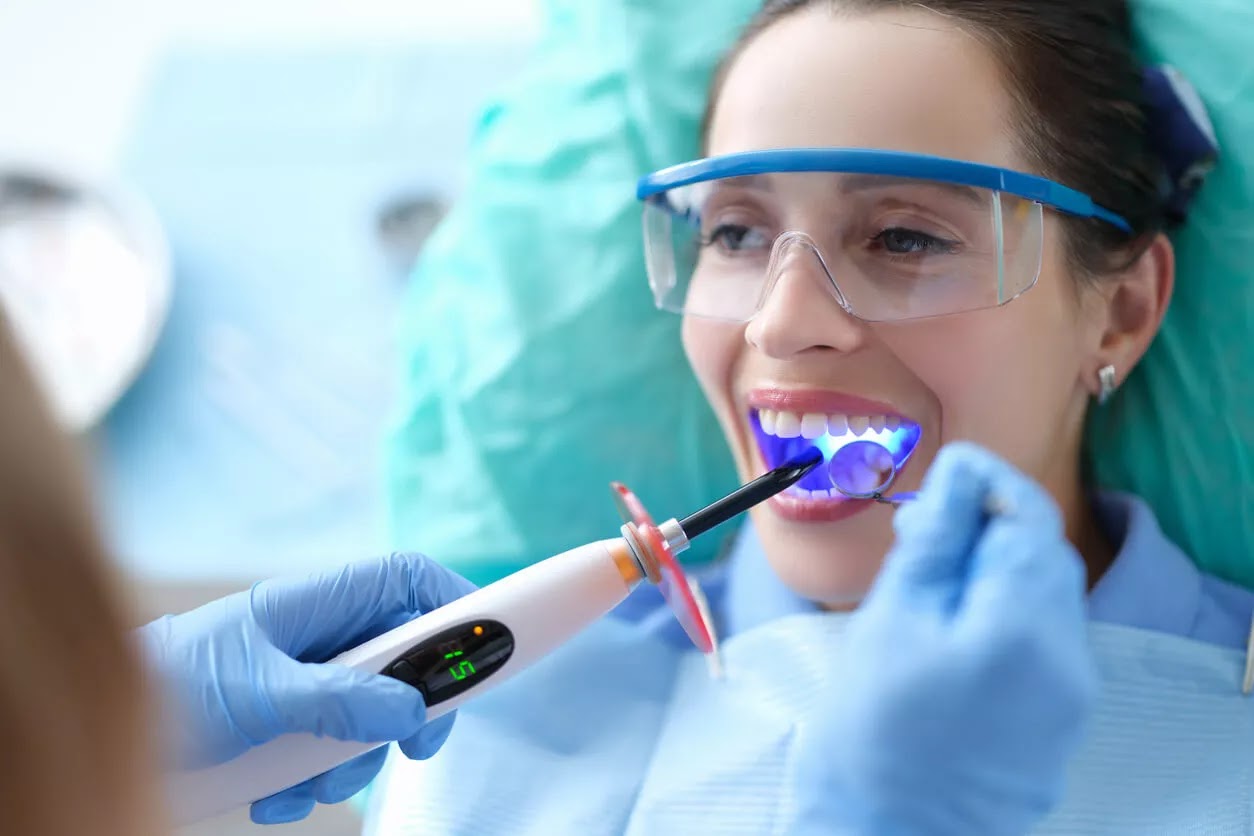
It involves applying a tooth-colored composite resin material to the surface of damaged teeth and then hardening it with light. The resin can be molded and shaped to correct a smile flaw.

Painless

Bonding is a painless treatment that can be completed in one office visit. It’s a cosmetic procedure that can repair slightly chipped, broken, or discolored Teeth bonding little rock ar and also improve the look of crooked teeth. The composite resin material is molded onto the surface of the tooth, and once hardened it can be polished to a desired appearance.

The dentist will select a shade of composite resin that most closely matches your natural tooth color, and layer it on the surface of your tooth. They will then roughen the tooth and apply a conditioning liquid that helps the resin stick to the tooth.

You can extend the lifespan of your bonding by avoiding consuming foods and drinks that stain the teeth and brushing and flossing regularly. You should also schedule regular visits for a cleaning and exam, particularly if you grind your Teeth bonding a little rock ar  (bruxism). The dentist will assess your bonding and determine if it needs replacement or retouching.


Quick

Dental bonding is a fast procedure that usually lasts less than 30 minutes per tooth. It doesn’t require any anesthetic to complete, and you can resume your daily activities immediately afterward. To maintain the lifespan of your bonding, avoid biting down on hard consumables and practice standard oral hygiene habits. You should also schedule a biannual cleaning at your dentist to remove tartar build-up and help your bonding look its best.

With proper care, cosmetic dental bonding can last several years before need of replacement.

Durable

Bonding is an inexpensive cosmetic treatment option that can repair and enhance chipped, fractured or discolored teeth. It consists of a tooth-colored composite resin material that bonds directly to the damaged surface of your teeth and hardens in place. Our cosmetic dentist Little Rock will sculpt the resin to the desired look and then polish it for a smooth, natural finish. This treatment is typically completed in one visit, and there’s minimal preparation on your part beyond practicing good oral hygiene. If you are a habitual coffee or tea drinker, or if you grind your teeth (bruxism), it’s best to avoid these activities as they can damage the resin.

Your dental bonding results can last for years, but they will require some care to maintain their appearance. We recommend avoiding staining foods and drinks, such as coffee, tea, or tobacco, and attending your biannual cleanings to prevent plaque buildup on the bonded area.

Affordable

Bonding is a cosmetic dental procedure that can improve your smile without the need for more invasive treatment. It can be used to repair chips, cracks, gaps, stains, and misalignment. It is also an affordable alternative to porcelain veneers and crowns little rock ar.

Dental bonding uses tooth-colored composite resin to repair cosmetic dental problems and enhance the appearance of your smile. The dentist applies the resin to the affected tooth, then sculpts and shapes it to look natural. The resin is then hardened using ultraviolet light. Bonding can be completed in a single visit, and it does not require anesthesia.

The cost of bonding varies depending on the number of Teeth bonding little rock ar that need to be bonded and the complexity of the work. However, a single tooth bond typically costs $100 to $500 per tooth. Dental insurance may cover a portion of the cost if the procedure is deemed medically necessary. Patients should practice good oral hygiene to ensure that the bonding lasts as long as possible.

Understanding Sleep Apnea: Causes, Symptoms, Diagnosis, and Treatment

Sleep apnea is a serious disorder that can lead to a variety of short and long-term side effects. These include snoring, episodes where you stop breathing while asleep, gasping for air during sleep, dry mouth in the morning, and excessive daytime sleepiness.

Fortunately, it is treatable. The first step is to talk to your doctor.

What is sleep apnea?

Sleep Apnea Searcy is a common condition in which breathing stops or slows repeatedly throughout the night. These interruptions in sleep reduce the amount of oxygen that gets to the body and can cause serious health problems if not treated. If you are concerned about your sleep habits, talk to your primary care doctor. A sleep study may be needed. Collom & Carney works with a nationally recognized sleep lab to perform these studies.

In obstructive sleep apnea, the breathing pauses happen because the airway becomes blocked. This type of sleep apnea can lead to snoring, gasping for air while sleeping, and excessive daytime sleepiness. It can also increase the risk of heart disease, high blood pressure, diabetes, depression, and stroke. Another type of sleep apnea is central sleep apnea, in which the brain fails to send the proper signals to the muscles to breathe. This is more common in people with neuromuscular diseases such as amyotrophic lateral sclerosis (ALS, Lou Gehrig’s disease), stroke, or heart failure.


Symptoms of sleep apnea

Symptoms of both obstructive and central Sleep Apnea Searcy include a feeling of excessive daytime drowsiness, difficulty staying awake, memory problems, irritability, poor concentration, headaches in the morning, and trouble falling asleep at night. Excessive daytime drowsiness can increase your risk of car accidents, work-related accidents, and health problems such as heart disease and high blood pressure.

Other symptoms can include loud snoring that disturbs your partner or other family members, breathing pauses that others witness (including choking sensations), jerking movements that happen while you're sleeping, and Cheyne-Stokes respiration, a fast, shallow breath pattern that causes rapid cycling of the heart rate. Some people with central sleep apnea experience abnormal heart rhythms such as atrial fibrillation, which can lead to stroke and sudden death.

If you have these symptoms, your doctor may order a home or lab test to measure your oxygen levels, heart rate, and breathing during sleep. The test is called a polysomnography.

Diagnosis of sleep apnea

Doctors use the person's history, physical exam, and symptoms to diagnose sleep apnea. They consider whether the person has risk factors, such as obesity or high blood pressure, which increase a person's chance of having Sleep Apnea Searcy. They also look at the person's family history of having sleep apnea, and they might ask about any medication the person is taking or has taken in the past.

The primary definitive way to diagnose sleep apnea is through an overnight test called a polysomnogram or PSG, which monitors your breathing, heart rate, and oxygen levels while you are sleeping. The test can be done in a sleep lab or at home with special equipment that is connected to sensors on your head and body.

Central sleep apnea happens when the brain fails to send proper signals to the muscles that control breathing. It is more common in people with neuromuscular disease, such as amyotrophic lateral sclerosis (ALS, or Lou Gehrig's disease), or in those who have a stroke or other forms of heart, lung, or heart-related problems.

Treatment of sleep apnea

The treatment depends on the cause of your sleep apnea. For obstructive sleep apnea, the most common treatment is continuous positive airway pressure or CPAP. This device uses a mask to deliver a stream of air that keeps the throat open. Your doctor may suggest other treatments based on your condition with veneers Searcy ar.

People with central sleep apnea may need surgery to fix the problems that cause their sleep disorder. This may include a nasal or oral procedure to help keep the throat open, or surgery to correct a medical problem that affects breathing, such as enlarged tonsils a large overbite (abnormally small lower jaw), or a deviated septum.

Untreated sleep apnea can lead to many health problems, including high blood pressure and heart disease, stroke, diabetes, depression, fibromyalgia, and osteoporosis. It can also increase the risk of car accidents and work-related injuries from driving or working while drowsy. You should see your doctor if you have symptoms of sleep apnea, especially loud snoring or daytime tiredness.